Iconic Rallies & Culture · 2026-11-04
Mastering the Dynamic Dance: Optimizing Rally Suspension Geometry for Diverse Terrains
Dive deep into the intricate world of rally suspension geometry, where precision engineering dictates performance across the most challenging surfaces. Discover how caster, camber, toe, and roll centers are meticulously tuned for gravel, tarmac, and snow stages.
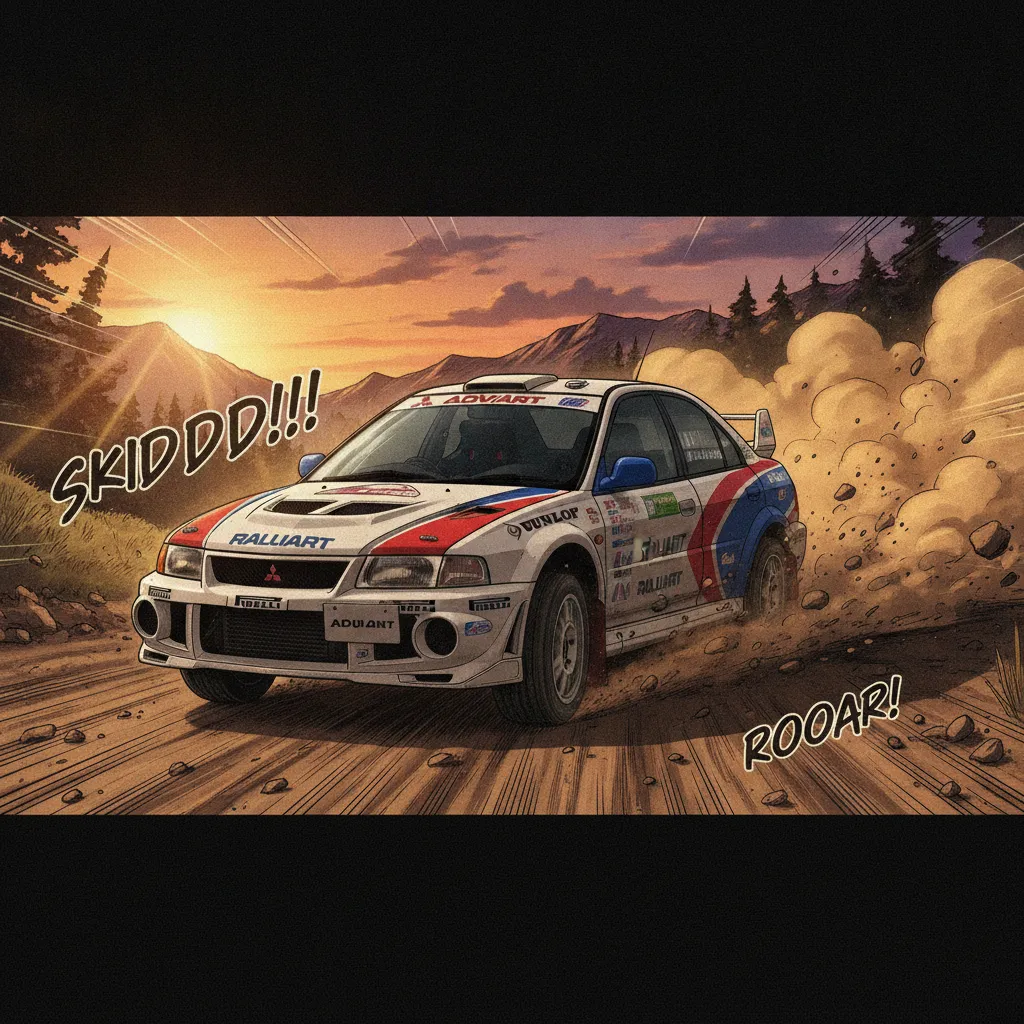
In the relentless theatre of international rallying, where every meter of stage can present a dramatically different challenge, the humble suspension system transcends its basic function to become a sophisticated kinetic sculpture. More than just springs and dampers, it's the meticulous calibration of suspension geometry that truly unlocks a rally car's potential, allowing it to dance on the ragged edge of adhesion across gravel, tarmac, and snow with unwavering confidence.
The Core Kinematics: Angles of Attack
At the heart of this intricate setup lie critical parameters. Camber, the vertical tilt of the wheel, is dynamically adjusted. On tarmac, aggressive negative camber enhances cornering grip, maximising the tyre's contact patch under lateral load. For loose gravel, however, a slightly less extreme setting might be favoured to improve straight-line traction and reduce 'tyre scrabbling'. Caster, the angular displacement of the steering axis, governs steering self-centring and dynamic camber gain, crucial for high-speed stability and driver feedback. Too little, and the car feels twitchy; too much, and it becomes heavy to turn, particularly important for quick direction changes. Toe, the inward or outward pointing of the wheels, influences turn-in aggression and stability. Front toe-out can sharpen initial steering response, while slight toe-in at the rear often contributes to stability under power.
Beyond the Basics: Roll Centers and Anti-Geometry
The positioning and migration of roll centers – the theoretical points around which the vehicle body rolls – are paramount. Their height and relationship between the front and rear axles dictate the vehicle's roll stiffness distribution and how quickly weight transfers. A higher roll center can reduce body roll for a given spring rate, but might compromise mechanical grip if too high. Furthermore, anti-squat and anti-dive geometries are engineered into the suspension pick-up points to counteract pitching moments under acceleration and braking, respectively. By subtly leveraging torque reactions, these systems work to maintain a more consistent tyre contact patch, significantly improving traction off the line and stability under heavy braking, vital for maximum stage attack.
Tailoring for Terrain: The Ultimate Compromise
Optimising these parameters involves a delicate balance and an understanding of specific terrain demands. Gravel stages typically call for longer suspension travel, softer spring rates, and sometimes less aggressive anti-geometry to allow the chassis to absorb impacts and maintain compliance over undulating surfaces. Tarmac rallies, conversely, demand stiff setups, minimal travel, lower ride heights, and highly optimised camber and toe settings for maximum lateral grip and immediate steering response. Snow and ice introduce another layer, often requiring even softer rates, specific damping characteristics, and unique anti-roll bar configurations to find elusive grip. The ultimate challenge lies in finding the 'sweet spot' that offers the driver the best compromise across a diverse range of conditions within a single rally.
Ready to sell? List your rally car or parts for free.
Post an ad