Baltic & Regional Heritage · 2026-11-11
The Unseen Force: Mastering Suspension Geometry for Optimal Rally Grip
Unlocking peak performance in rally is an intricate dance between driver skill and engineering precision. This deep dive explores how mastering suspension geometry is paramount for achieving optimal grip and razor-sharp handling on the world's most demanding stages.
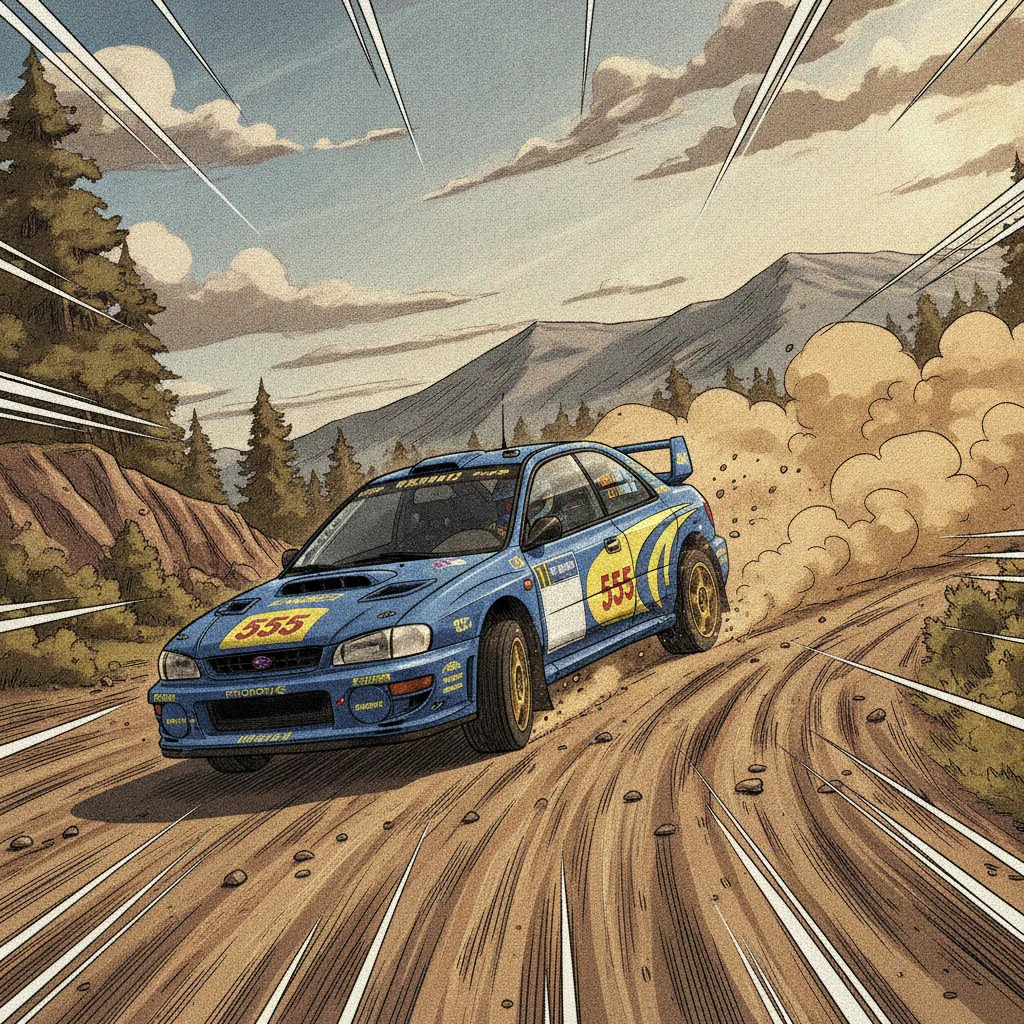
In the brutal theatre of international rally, where every tenth of a second can decide victory, the art of chassis setup is a clandestine science. While engine power captures headlines, it is the sophisticated manipulation of suspension geometry that truly dictates a car's connection to the varied, unforgiving terrain. For motorsport engineers and elite drivers alike, understanding and tuning this 'unseen force' is the ultimate quest for optimal grip and sublime handling.
The Pillars of Precision: Key Geometric Parameters
At the heart of any rally weapon's dynamic prowess lies its suspension's kinematic properties. Critical parameters like camber, the vertical tilt of the wheel, directly influence the tire's contact patch during cornering, maximizing mechanical grip. Negative camber is typically favoured to keep the outer edge of the tire flat on the road under load. Castor, the angle of the steering axis, significantly impacts steering feedback, self-centring, and high-speed stability – crucial for driver confidence through flat-out sections. Meanwhile, toe-in or toe-out settings, the inward or outward angling of the wheels when viewed from above, are finely tuned to manage tire scrub, enhance initial turn-in, or provide stability, often balanced between front and rear axles to mitigate understeer or oversteer characteristics.
Beyond these foundational angles, the dynamic interplay of spring rates, damping forces (both compression and rebound), anti-roll bar stiffness, and ride height are meticulously orchestrated. These elements collectively dictate weight transfer, body roll, and the precious compliance needed to absorb monumental impacts without unsettling the chassis. A stiffer setup might yield precision on tarmac but could be utterly undrivable on a rough gravel stage, highlighting the perpetual compromise and specific tuning required for each unique surface and stage profile. The kinematic roll centre's position also profoundly affects load transfer and body roll characteristics, a detail that can be manipulated through suspension pick-up points to fine-tune the car's dynamic behaviour.
The Rally Engineer's Symphony: Data, Feedback, and Adaptation
The pursuit of suspension perfection is an iterative process. Data acquisition systems provide engineers with a flood of information on wheel travel, G-forces, and steering angles. This technical insight, combined with the irreplaceable feedback from the driver, forms the basis for constant adjustment. A driver's nuanced description of 'understeer on turn-in' or 'too much rear-end twitchiness' translates into precise geometric alterations. From shakedown tests to mid-event service parks, technicians are relentlessly recalibrating, adjusting everything from differential ramps to suspension link lengths, striving to find that elusive sweet spot where the car becomes an intuitive extension of the driver's will. Mastering suspension geometry isn't just about technical knowledge; it's about the relentless pursuit of symbiotic harmony between machine and environment.
Ready to sell? List your rally car or parts for free.
Post an ad