Technical & Engineering Deep-Dives · 2026-10-26
Mastering the Loose: The Intricate Art of Rally Suspension Tuning for Gravel
Unlocking peak performance on unforgiving gravel stages demands a deep understanding of rally suspension dynamics. This article delves into the critical components and precise adjustments that transform a rally car into a gravel-devouring machine.
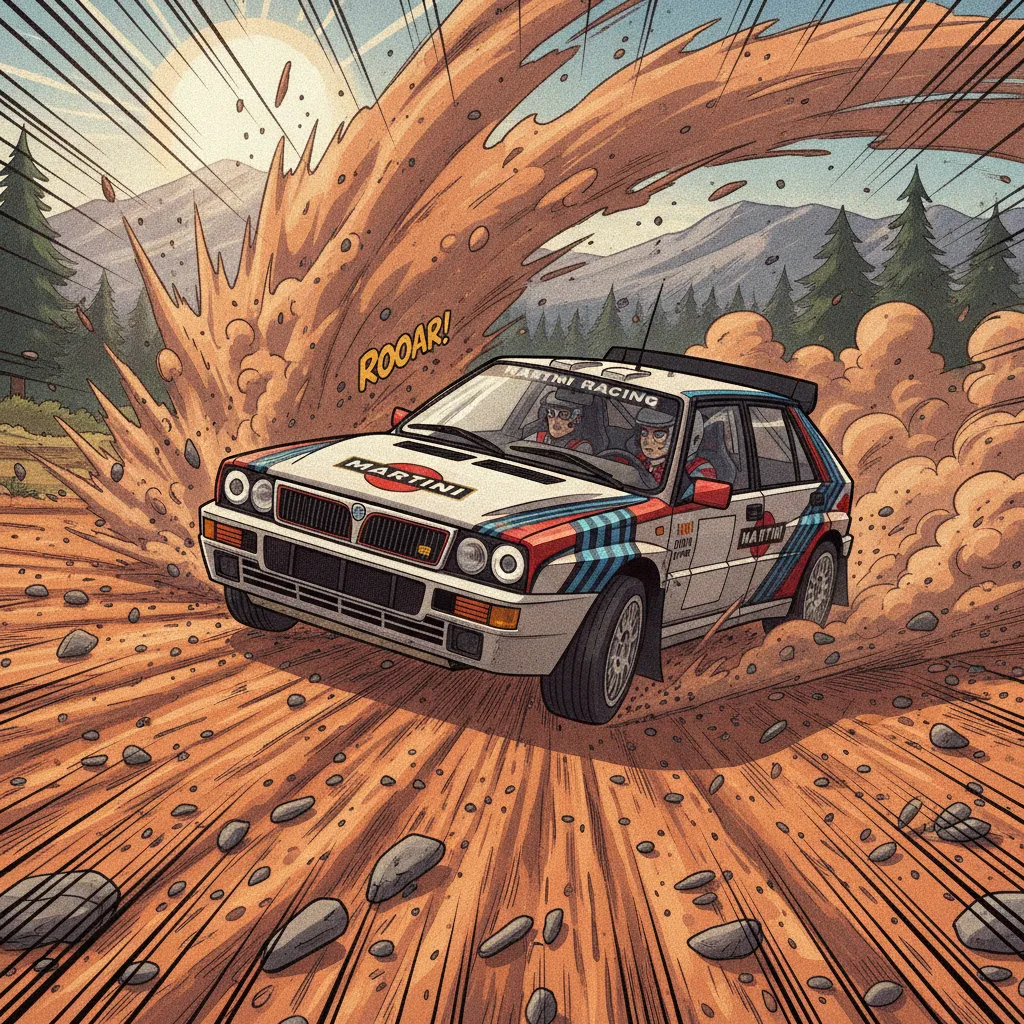
On the brutal canvas of a gravel rally stage, the suspension system isn't merely a comfort feature – it's the primary interface between driver intent and road reality. Achieving optimal performance on these notoriously challenging surfaces requires an intricate dance of engineering and experience, where every millimetre of travel and every click of damping adjustment dictates speed, stability, and ultimately, success.
The foundation of a capable gravel setup begins with robust, long-travel dampers, often inverted monotube designs, providing exceptional strength and heat dissipation. Coil springs are meticulously chosen for their rate, balancing compliance over successive bumps with sufficient support for jump landings and aggressive cornering. Key technical considerations include spring preload, which influences ride height and static weight distribution, and the crucial distinction between high and low-speed compression and rebound damping. High-speed damping manages sudden, large inputs like major bumps or landings, preventing bottoming out, while low-speed damping controls chassis movement during weight transfer, braking, and acceleration, directly impacting traction and driver feel. Achieving a harmonious balance here ensures the tyres maintain constant contact, maximising mechanical grip.
The Geometry of Gravel Attack
Beyond springs and dampers, suspension geometry plays a pivotal role. Wider track widths enhance stability, while careful consideration of camber and toe settings affects turn-in response and traction under power. Anti-roll bars, often adjustable, fine-tune the car's roll stiffness, allowing engineers to dictate how much load is transferred across the axles, profoundly influencing oversteer or understeer characteristics. On gravel, a slightly softer setup is often preferred compared to tarmac, allowing for greater wheel travel and better absorption of rough terrain, yet still firm enough to provide precise steering response and prevent excessive body roll during dynamic manoeuvres. The goal is a highly progressive damping curve that offers plushness for small undulations but ramps up quickly to resist harsh impacts.
Ultimately, optimal gravel suspension tuning is a constant iterative process, balancing wheel control, compliance, and driver confidence. It's a deep dive into hydraulic pressures, spring rates, and kinematic angles, all orchestrated to extract every possible fraction of a second from the unpredictable and ever-evolving surface of a rally stage, transforming a formidable challenge into a masterful performance.
Ready to sell? List your rally car or parts for free.
Post an ad