Iconic Rallies & Culture · 2026-11-12
Mastering the Terrain: The Art of Rally Suspension Tuning
Dive deep into the intricate world of rally suspension tuning, where engineering meets intuition to extract optimal grip and handling across the most demanding and diverse rally surfaces.
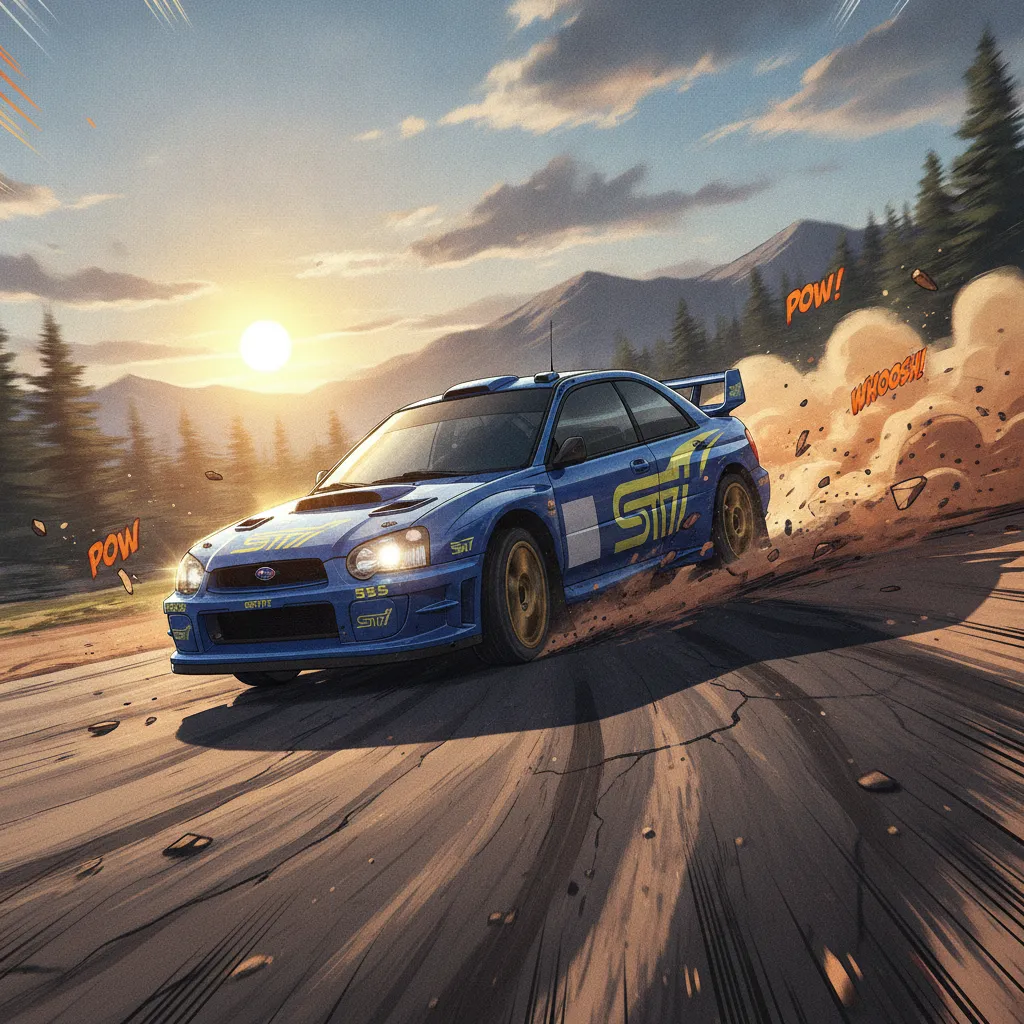
In the high-stakes arena of international rally motorsport, where a fraction of a second can dictate victory or defeat, the science—and indeed, the art—of suspension tuning stands paramount. A finely calibrated suspension system is the beating heart of any competitive rally car, enabling it to dance over brutal terrain, maintain optimal tyre contact, and translate raw power into controllable velocity across an astonishing array of surfaces.
The rally suspension system is a complex symphony of components: springs, dampers, anti-roll bars, and intricate geometry. Springs dictate the vehicle's ride height and overall stiffness, absorbing major impacts. Rally applications often demand long-travel, progressive springs to cope with enormous forces and maintain ground clearance. Dampers, however, are where the true magic happens, controlling the rate at which the springs compress (bump/compression) and extend (rebound). High-speed and low-speed circuits within the damper allow engineers to meticulously fine-tune resistance for varying surface irregularities, from violent crests to subtle tarmac undulations. A crucial element is the anti-roll bar, or anti-sway bar, linking opposite wheels to manage roll stiffness and dictate how weight transfers during cornering, influencing both turn-in and traction.
Surface-Specific Calibration: A Technical Ballet
Optimising grip and handling means radical shifts in setup from one rally to the next, sometimes even between stages. On loose gravel and dirt, the objective is maximum traction and stability. This typically necessitates softer spring rates, significantly longer suspension travel, and softer damping settings, particularly in compression, to allow the wheels to follow the undulating terrain without losing contact. Ride height is usually increased to prevent bottoming out. For high-grip tarmac rallies, the approach pivots entirely. Stiffer springs, reduced ride height, and firmer damping (both compression and rebound) minimise body roll and maximise aerodynamic efficiency, promoting precise steering response and aggressive cornering. Geometry adjustments, such as increased negative camber, become critical to maintain maximum tyre contact patch through hard cornering. Snow and ice demand yet another specific tune, often blending softer spring rates with highly sensitive damping to cope with ultra-low grip conditions, prioritising finesse and progressive power delivery.
The 'art' lies in the iterative process: driver feedback combined with telemetry data informs adjustments. A stiffer setup might offer sharper response but could compromise traction on bumps; a softer setup might soak up impacts but introduce excessive body roll. Finding that razor-thin edge, where mechanical grip perfectly marries driver confidence and surface demands, transforms a powerful machine into an unstoppable rally weapon.
Ready to sell? List your rally car or parts for free.
Post an ad