Rally Personalities & Legends · 2026-10-28
The Invisible Hand: How Aerodynamics Redefined WRC Performance
From subtle spoilers to multi-element wings, the evolution of aerodynamic packages has fundamentally reshaped modern rallying, transforming raw power into precise, high-speed control. This deep dive explores the technical advancements driving WRC performance.
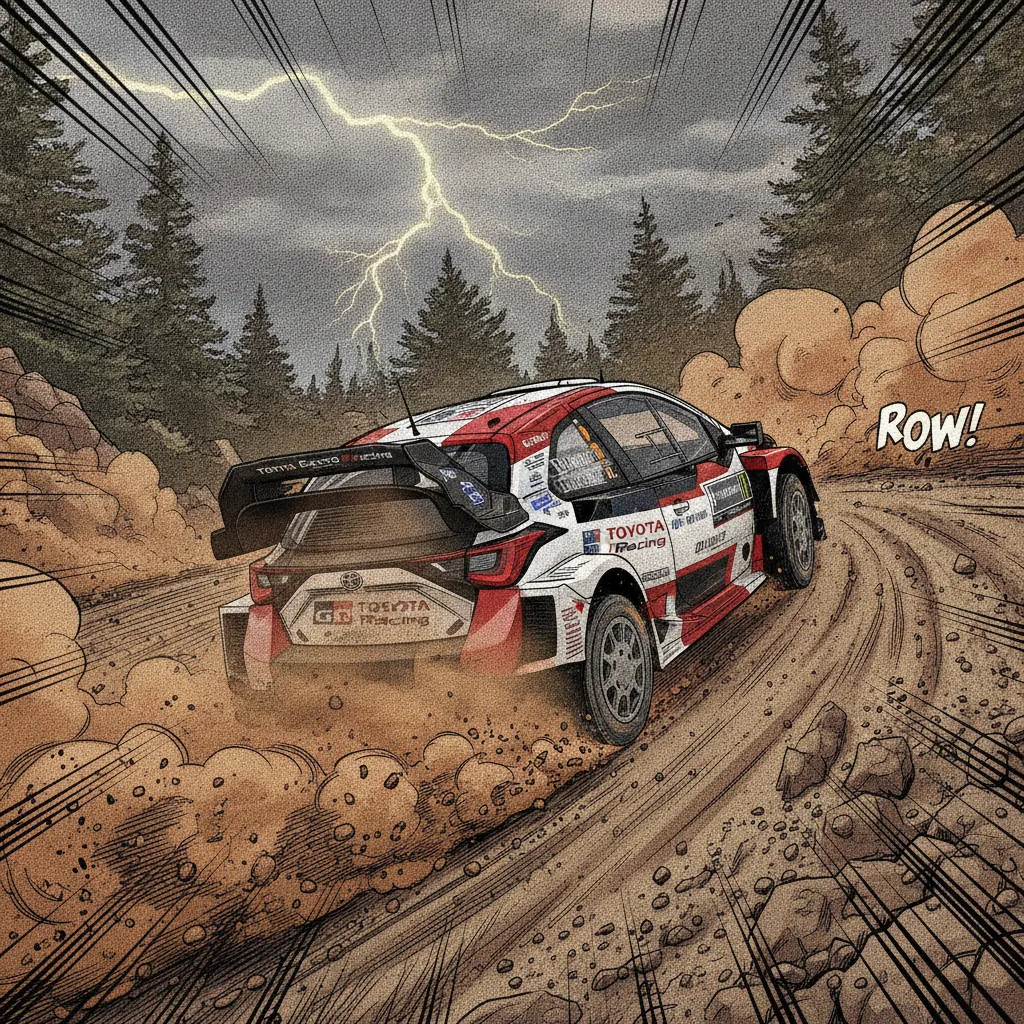
The relentless pursuit of speed in rallysport has always been a complex interplay of power, traction, and driver skill. Yet, in the modern era of the World Rally Championship (WRC), an often-unseen force has emerged as a paramount performance differentiator: sophisticated aerodynamics. What began as rudimentary spoilers has evolved into highly engineered, multi-element aero packages that profoundly influence vehicle dynamics and ultimately, the stopwatch.
Early rally machines, even the iconic Group B monsters, relied predominantly on mechanical grip and brute force. While cars like the Audi Quattro E2 and Peugeot 205 T16 sported wings, their aerodynamic understanding was nascent, often more for high-speed stability than outright downforce generation. The subsequent Group A and early WRC eras saw more refined, yet still relatively conservative, aerodynamic development, primarily focusing on managing airflow over the body and basic rear wing designs to improve stability.
The Aero Revolution: WRC's Modern Downforce Dominance
The significant shift arrived with the 2017 regulations, which permitted far greater aerodynamic freedom. This unleashed an era of extreme aero creativity, transforming WRC cars into ground-hugging projectiles. Today's Rally1 hybrids, such as the Toyota GR Yaris Rally1, exemplify this paradigm shift. Their aggressive front diffusers channel airflow under the car, creating significant low-pressure zones. Coupled with multi-element rear wings, intricate side skirts, and strategically placed canards and vortex generators, these cars generate substantial downforce, particularly at higher speeds.
This sophisticated aero architecture isn't merely about aesthetics; it's about engineering precision. Computational Fluid Dynamics (CFD) and exhaustive wind tunnel testing are indispensable tools in optimizing every surface. Engineers meticulously balance downforce – crucial for maintaining tyre contact patch pressure and enhancing grip through high-speed corners – against the inevitable drag penalty and cooling requirements for vital components. The aim is not just maximum downforce, but maximum aerodynamic efficiency, ensuring clean airflow management across varying yaw and pitch angles encountered on diverse rally stages.
The impact on performance is unequivocal. Enhanced downforce translates to higher cornering speeds, greater stability over jumps and crests, and crucially, improved driver confidence. The invisible hand of aerodynamics has truly redefined the limits of WRC performance, pushing the boundaries of what is mechanically possible on the world’s most demanding special stages.
Ready to sell? List your rally car or parts for free.
Post an ad