Rally Personalities & Legends · 2026-11-03
The Unseen Force: How Homologation Rules Sculpt Rallying's Engineering Masterpieces
Dive deep into the critical role of homologation in shaping the most iconic rally cars, exploring how regulations transform production models into asphalt and gravel warriors.
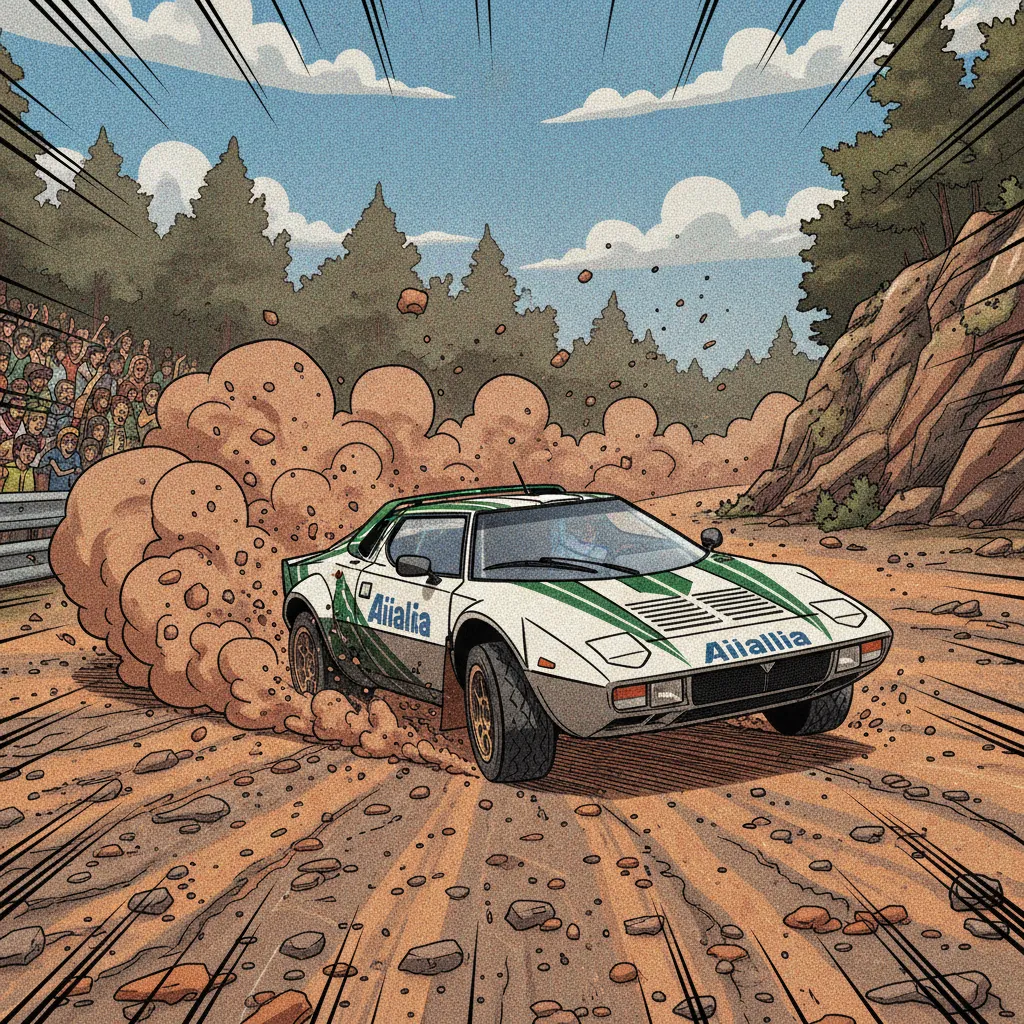
In the high-octane world of international rallying, the roar of an engine and the ballet of a car sliding through a hairpin are often celebrated, but the foundational principle enabling these spectacles often remains in the shadows: homologation. Far from a mere bureaucratic hurdle, homologation is the crucible in which rally legends are forged, a set of regulations dictating the transformation of a production vehicle into a competition-ready beast. For manufacturers, it's a strategic tightrope walk, balancing mass-market appeal with the need to meet stringent motorsport specifications.
From Production Line to Podium Contender
The essence of homologation lies in its direct link between the showroom floor and the special stage. For a car to compete in categories like Group B, Group A, or the modern WRC, a specified number of road-going versions must first be produced and made available for public sale. This isn't just about selling cars; it's about establishing a genetic link, ensuring that the competition car retains core elements of its commercial counterpart. Early iterations, such as those governing the iconic Group B era, demanded outlandish innovations – think mid-mounted engines, bespoke chassis, and radical aerodynamic appendages, all designed for brutal off-road performance yet mandated to have production siblings. These rules often led to 'homologation specials' – limited-run road cars that were essentially thinly veiled rally machines.
Technical depth is paramount here. Homologation dictates everything from engine block materials and cylinder head design to suspension pickup points and bodyshell rigidity. It controls aerodynamic modifications, transmission ratios, and even the type of four-wheel-drive system allowed. A subtle change in a regulation can send engineering teams back to the drawing board, forcing ingenious solutions within tightly defined parameters. The ingenuity lies in exploiting every loophole, optimizing every component for durability and performance under extreme conditions, all while adhering to the letter (and sometimes the spirit) of the law. This intricate dance between regulation and innovation ensures that rally cars remain on the cutting edge of automotive engineering, pushing boundaries that eventually trickle down to everyday vehicles.
Ready to sell? List your rally car or parts for free.
Post an ad